

Asian Capital Flows Into European Outdoor Brands: What It Means
A wave of acquisitions reshapes the ownership map
The outdoor industry is experiencing a fundamental ownership shift. In October 2026, China-based ATG Brands & Data Limited acquired UK brand Lowe Alpine’s intellectual property from Equip Outdoor Technologies. The same month, Anta Sports completed its €1.5 billion acquisition of a 29.06% stake in PUMA SE, becoming the German sports brand’s largest shareholder.
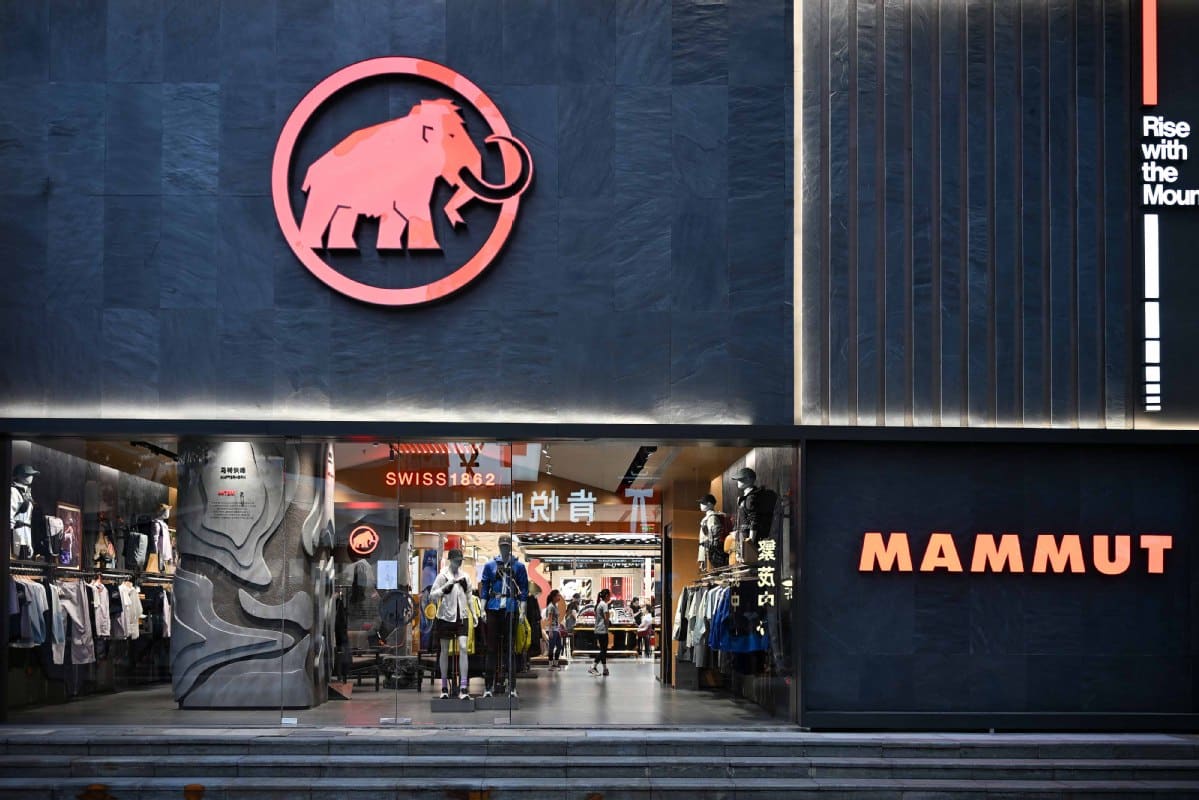
These deals follow a pattern established in July 2026, when Beijing-based CPE acquired Swiss mountaineering brand Mammut Sports Group AG from Jacobs Capital. Market estimates placed Mammut’s valuation between €500 million and €600 million. The 164-year-old brand is regarded as part of “the holy trinity of outdoor brands” in China, alongside Arc’teryx and Klättermusen.
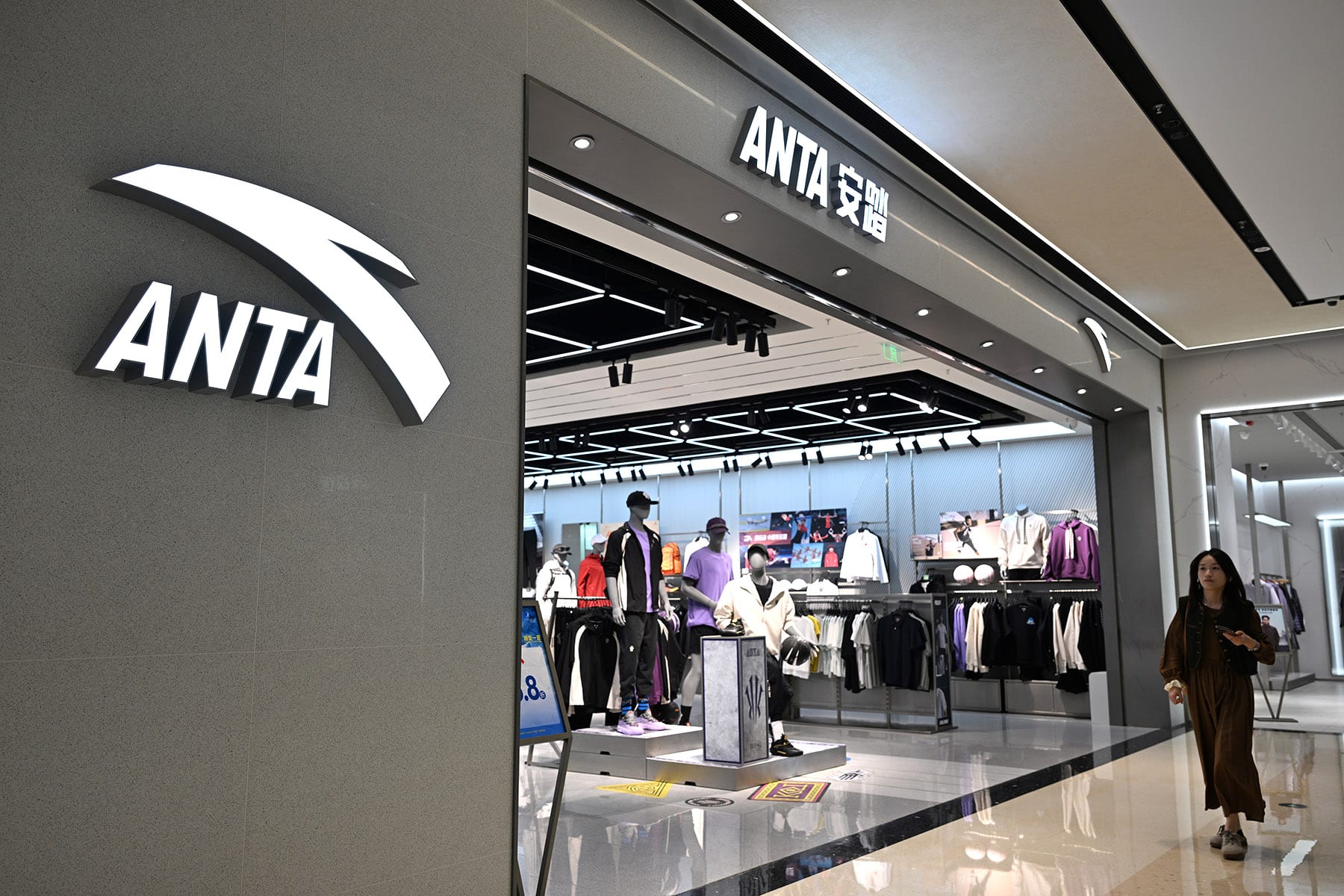
Anta Sports has emerged as the dominant force in this consolidation. Its 2018 consortium-led acquisition of Amer Sports for $6.29 billion brought Arc’teryx, Salomon, Wilson and other premium brands into its portfolio. Amer Sports’ full-year revenue for 2023 surged by 23% to $4.368 billion, with a notable 61% growth in Greater China.
Why asian investors are targeting european heritage brands
The strategic rationale is straightforward: authentic European outdoor brands carry premium positioning and storytelling that resonate strongly in markets where outdoor recreation is rapidly expanding. Chinese and broader Asian consumers are seeking genuine heritage and technical credibility, attributes that cannot be easily replicated.
These brands offer more than products. They represent decades of mountaineering expertise, alpine testing environments and a narrative of exploration that aligns with aspirational lifestyles in high-growth Asian markets. For investors, acquiring these assets means securing premium positioning in categories where domestic brands struggle to compete on authenticity.
The financial logic is equally compelling. Access to capital, distribution networks and consumer insights in Asia can accelerate growth trajectories that would take years to build organically. CPE Managing Director Mao Wei stated the firm would “work closely with Mammut’s management team to accelerate growth in high-potential markets through product adaptation, brand operations, channel development and supply-chain upgrades.”
Preserving brand identity while scaling operations
Acquirers have emphasized maintaining brand identity, technical excellence and European operational bases. Mammut will retain its headquarters in Seon, Switzerland, along with its core design and research operations. CEO Heiko Schäfer and the existing management team remain in place.
Anta has similarly maintained the autonomy of Arc’teryx and Salomon while leveraging its retail expertise and market access. This approach reflects a recognition that the value of these brands lies in their authenticity, which depends on preserving the culture, processes and geographic roots that built their reputations.
The model is vertical integration without homogenization. European brands gain resources to expand globally while retaining the technical teams, testing environments and design philosophies that define their products. Asian investors secure premium assets while avoiding the risk of diluting the brand equity they paid to acquire.
What this means for the industry’s competitive landscape
This ownership evolution reflects a maturing outdoor industry where scale, vertical integration and access to fast-growing consumer markets increasingly determine competitive advantage. Brands that lack capital to fund innovation, expand distribution or adapt products for regional markets risk being left behind.
For employees and job seekers in the outdoor sector, these acquisitions signal continued investment in European operations, R&D and brand-building. The emphasis on preserving headquarters, design teams and technical expertise suggests that core roles will remain rooted in traditional outdoor hubs, even as commercial operations expand in Asia. Having worked in an international culture before, and more particularly being used to doing business with Asian cultures will be an increasing differentiator in your career.
The trend shows no signs of slowing. As outdoor participation grows across Asia and brands seek capital to fund expansion, expect continued M&A activity reshaping the industry’s ownership map. The products, technical expertise and brand stories that define these companies will remain rooted in their European origins, but the capital and market access driving their growth will increasingly come from Asia.
Asian investment in European outdoor brands represents a strategic alignment of heritage authenticity with high-growth markets. For industry professionals, this shift brings capital, scale and global expansion opportunities while preserving the technical excellence and brand identity that define these companies. The outdoor sector’s future will be shaped by this balance between European roots and Asian market access.
Share
Facebook
X
LinkedIn
Telegram
Tumblr
Whatsapp
VK
Bluesky
Threads
Mail