
Site logo

Romain Soulas

Marketing Director / Titleist

We had the privilege of sitting down with Romain Soulas on a special occasion: the inauguration of Acushnet’s brand-new Mainland Europe headquarters in Montataire, France : a milestone moment for the group and a first for a major golf manufacturer on the continent.

As Marketing Director for Acushnet Mainland Europe, Romain has spent over 15 years connecting the brand’s century-old legacy to today’s dedicated golfer community across 16 countries, crafting messages and marketing strategies that enhance performance and passion alike.

INSIDERS with Romain Soulas, let’s dive in!

How would you describe your role at Titleist in one sentence?
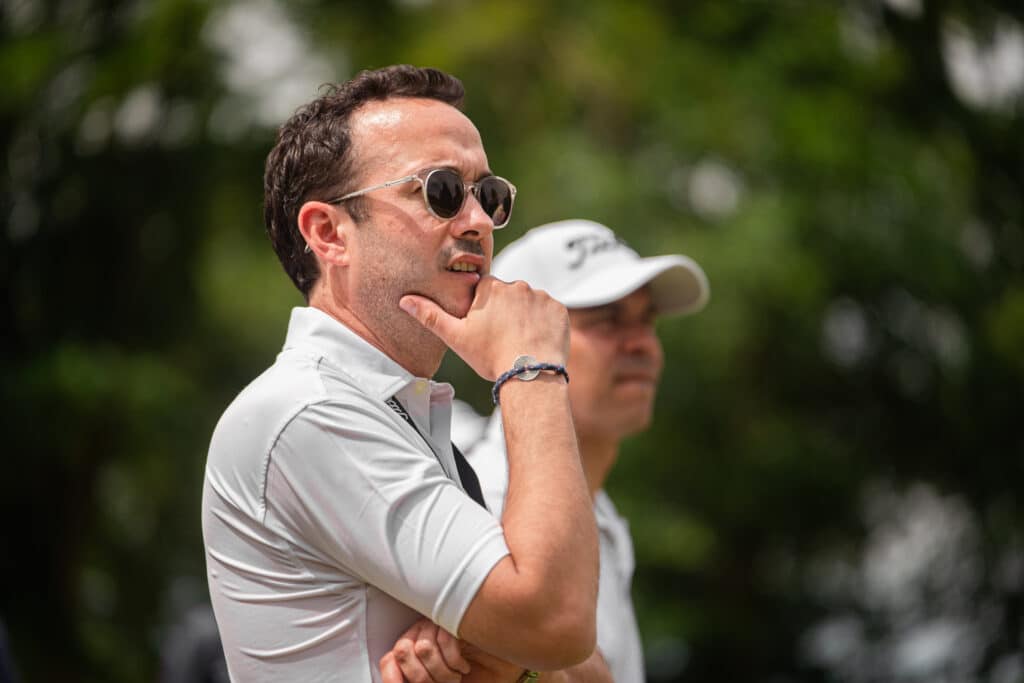
I promote the brand, of course, but most importantly, my role is to connect with all our stakeholders, especially the golfers, to deliver the right messages at the right time, providing them with an experience and added value that help improve their game.

What does the golf market landscape look like in Europe today?

Globally, there are about 60 million golfers, half of them in the US. Europe counts roughly 7 to 8 million. In golf’s ecosystem, you have multiple stakeholders: golf courses, equipment manufacturers, professional federations and PGA pros, golf tourism, and retailers. 

The European equipment market is largely led by four global manufacturers. In 1st position, us at Acushnet with Titleist and FootJoy, Callaway Golf, TaylorMade Golf and PING. We are the largest golf-focused company globally with worldwide revenues exceeding $2.5 billion, followed by Callaway at just over $2 billion. TaylorMade and PING remain influential despite being privately held. The Apparel and Footwear market is much more fragmented, with FootJoy, Adidas and Nike leading globally, and other brands such as J.Lindeberg, G/FORE and Galvin Green driving growth at the high end.

What's the split between equipment and apparel in terms of market weight?

The golf equipment market is dominated by clubs at roughly 40/45%, making them the clear revenue driver. Golf Balls follow at about 15/20%, with Bags and Gear contributing another 15%. Soft goods are smaller but important: Apparel sits around 12%, Footwear 8/10%, and gloves and outerwear together make up only a few percent. Overall, the market skews heavily toward hard goods, with consumables and apparel playing supporting roles.

How has the retail landscape evolved? Are pro shops still dominant?
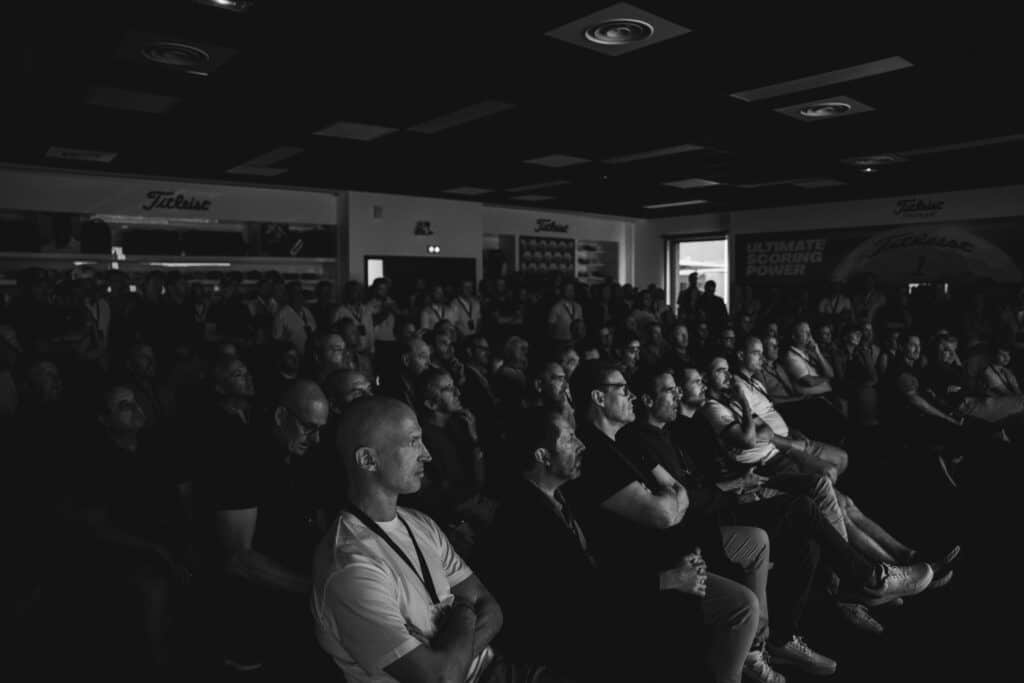
Pro shops remain important in markets like the US, UK, and Australia, where teaching pros often run them and influence purchasing decisions. In Mainland Europe, it’s different. Off-course retail stores in towns are the primary channel, accounting for around 40/45% of equipment sales. Then follow the on-course channel at about 35/40%. E-commerce is growing but still sits at 10 to 15%, mostly in accessories and carts rather than clubs. General Sporting Goods (such as Decathlon) remains minimal, around 5%.

How did COVID-19 impact the golf market compared to sports like cycling or running?

It’s a mix of a boom and some logistical challenges. Golf saw renewed interest because it’s an outdoor, socially distanced activity. Many former players came back, and newcomers joined. Post-COVID, roughly 25 to 30% of those new players have stayed with the sport. 

Unlike cycling, golf didn’t see overproduction leading to market collapse. The market normalised by 2025 and 2026. The lifespan of equipment helps: golfers replace drivers every four years on average, irons every five to six, and shoes annually. That cycle supports a steady, predictable market.

How has the golfer demographic evolved, particularly around age and gender?

The average golfer in Europe is around 52 years old. The female share is growing, around 35% in Germany, and between 10 and 15% in the US and UK. Women’s participation doesn’t necessarily lower the average age but it expands the overall base. Golf still skews older than most sports. Initiatives exist to bring in younger players and women, but demographic challenges in some markets will temper growth.

Can you give us an overview of Acushnet as a group?

We’re a publicly listed American group with over 100 years of heritage in golf, headquartered near Boston with a club division near San Diego. The two largest brands are Titleist, covering everything you play with, and FootJoy for everything you wear (footwear, apparel, gloves, etc…). The group generates about 2.5 billion dollars in revenue, growing 3 to 5% annually, with around 7,000 employees worldwide. Titleist alone accounts for over 1.6 billion in 2025. The group is structured by product category, each led by a category president. Marketing and sales are split regionally. I’m based in mainland Europe, covering France, Germany, and 14 other countries. We operate over 10 subsidiaries globally. The organisation has evolved over 15 years from a more UK-centric model toward decentralised regional decision-making, which gives local teams real autonomy while maintaining global brand coherence.

We are the largest golf-focused company globally with worldwide revenues exceeding $2.5 billion.

What's behind the decision to open a new headquarters and a production facility in France?
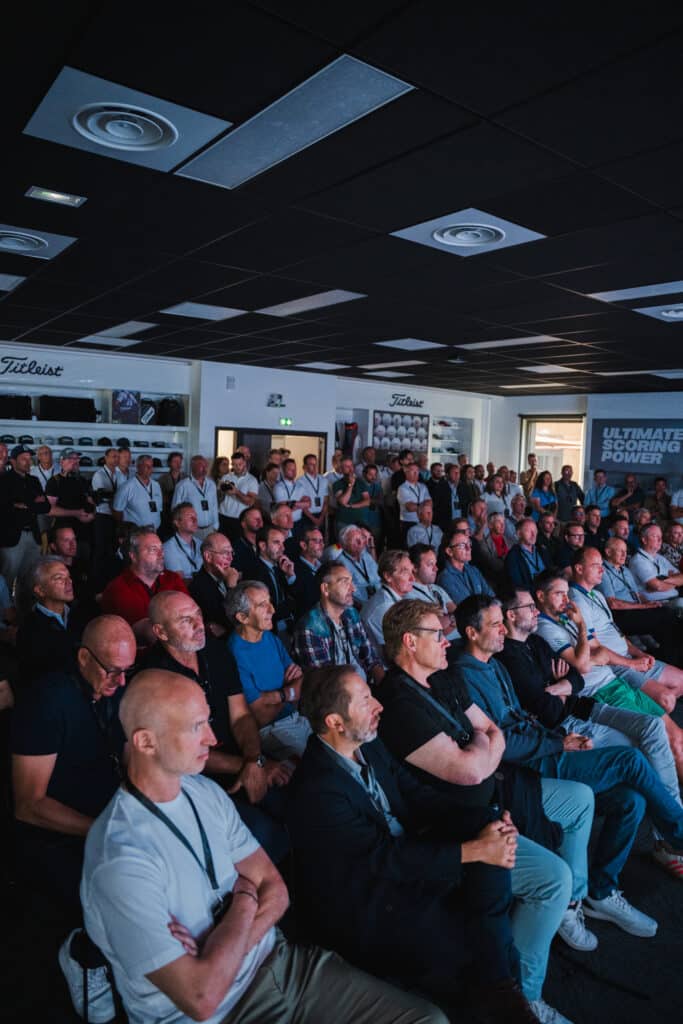
It’s all about service, performance, and expertise for all our partners and the dedicated golfers. The new HQ brings everything together in one place, under one roof. Just come and experience it. Located in Montataire, near Chantilly and close to Paris CDG airport, the new HQ has been fully operational since April, and the Golf Club Manufacture will open by Q1 2028, a first for a major golf manufacturer in Continental Europe. The new Acushnet Mainland Europe HQ covers 2,000 sqm, split evenly between a back-office hub and a brand experience centre. The experience centre focuses on education, fitting, player development, and brand immersion, right next to one of Europe’s most prestigious courses, Chantilly Golf Club. For 30 years, club assembly for Europe was carried out in the UK. Brexit changed the equation, and projected growth through 2030 and 2035 required greater capacity and faster distribution lead times for golfers across the continent. The future Titleist Golf Club Manufacturing facility (a 6,000 sqm building located right next to the HQ) will double European production capacity and significantly improve turnaround times for custom orders. It will also supply the Nordic markets, which we will now be able to reach directly from France. Both facilities were officially inaugurated on 16 and 17 June 2026 during the Acushnet Mainland Europe Grand Opening. The two-day event brought together leading voices from across Mainland Europe and the global golf community, combining a tour of the new headquarters and the future operations facility in Montataire with a round at Chantilly Golf Club, one of Europe’s most prestigious courses.

What are the main marketing challenges for Titleist today?

Brand awareness isn’t the issue at our level. The challenge is consideration and engagement with the audiences that matter most commercially. About 15% of golfers globally are what the industry calls “dedicated.” They account for 40% of rounds played and 70% of purchases. Our strategy is built around reaching and retaining that core segment, not the casual player. Our communication pyramid runs from tour professionals down to instructors, top amateurs, and finally dedicated golfers. Information and influence flow along that chain. We say: “We win on Thursday morning, not on Sunday evening.” Performance starts at the first tee. Consistency across the full field matters more than individual tournament wins.
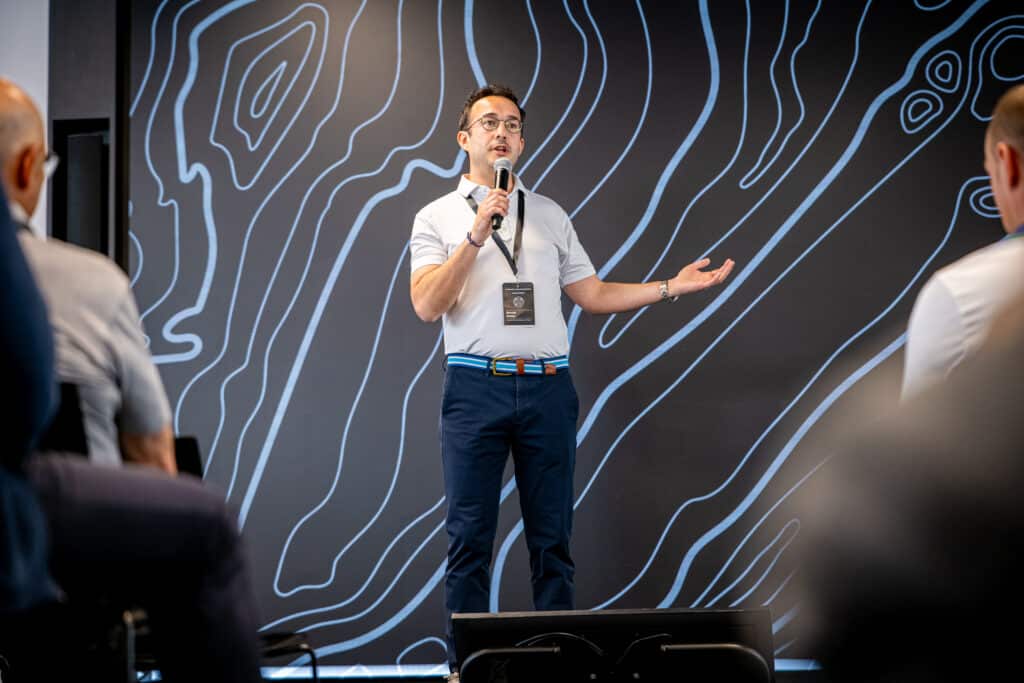
We win on Thursday morning, not on Sunday evening. Performance starts at the first tee. Consistency across the full field matters more than individual tournament wins.

How does the golf ball factor into your competitive position?

The ball is used on every shot throughout a round. It has more influence on performance than any other piece of equipment. Our R&D here draws on aerospace expertise to optimise aerodynamics, which gives us a meaningful and durable competitive edge.

How does custom fitting work operationally?

We train retailers thoroughly on fitting methodology, based on a player’s physique, swing characteristics, and goals. Today, around 70% of club sales are customised. A golfer comes in, gets fitted, places an order, and we aim to fulfil it within a week. The new facility’s supply chain is designed around that speed, mirroring what we already do in the US.

Are there recruitment opportunities at Titleist in Europe right now?

Yes, definitely. Mainland Europe employs over 110 people. With the new facility coming online, we’ll be recruiting significantly, starting with a site director who will then build a team of 40 to 60 people. We also have steady openings in sales, marketing, fitting, and e-commerce, tied to business growth rather than large hiring cycles.

What does the culture at Titleist feel like from the inside?

Passion for golf is the foundation. Many employees join because they already admire and use our brands. I played Titleist clubs as a dedicated amateur long before joining the group at 25. But interestingly, many colleagues outside sales and marketing aren’t golfers themselves. They share a passion for what the brand stands for and a culture of continuous improvement. Some factory workers have 40-plus years of tenure. That loyalty runs deep, and it comes from a genuine alignment between what people believe in and what the brand does.

Looking back, what was the most important career decision you made?

Choosing to stay. And I essentially make that decision every day. It’s a natural fit because I love the sport, the brand, and the role. I joined at 25 in a sports marketing role and found my dream brand early. The freedom and resources to pursue my ambitions within the group helped solidify that commitment. It wasn’t one dramatic decision. It was a consistent, genuine alignment between passion and opportunity.

Choosing to stay. And I essentially make that decision every day. It wasn't one dramatic decision. It was a consistent, genuine alignment between passion and opportunity.

What advice would you give to people building careers in the sports industry?

Keep your passion alive. If you dread going to work, it’s a signal to reconsider. Don’t wait for opportunities. Proactively seek and create them. Stay curious, keep learning, and make sure your daily work brings you real satisfaction. For me, waking up excited is the ultimate motivation. If and when that changes, I’ll know it’s time to move on. That combination of persistence and self-awareness is what makes a lasting career in sports business.


Looking for your next opportunity in the sports industry? Explore jobs on SPORTYJOB, Europe’s leading job board dedicated to sport, outdoor and sportswear.

Forgot Password

Cart

Your cart is currently empty.